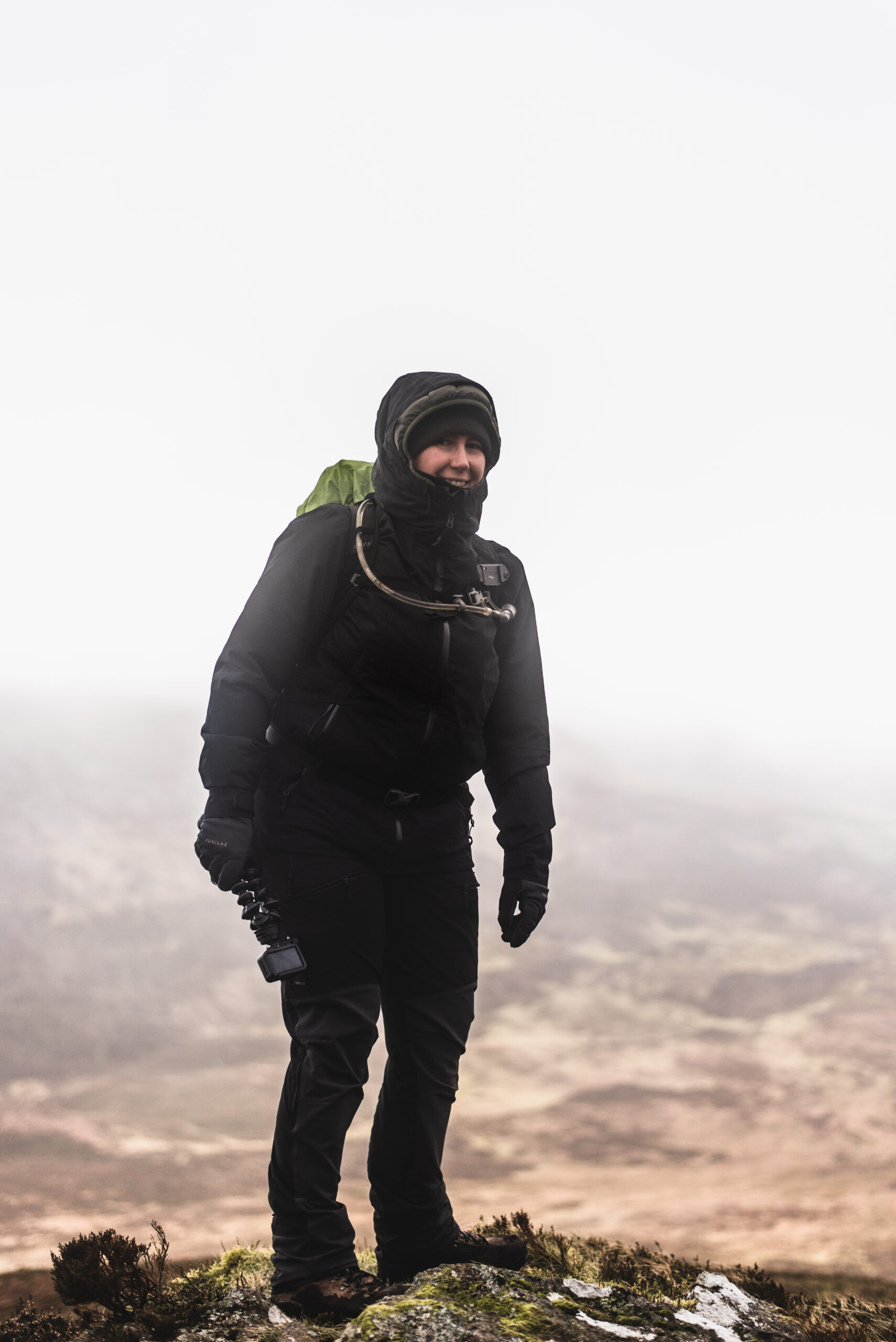
If you’ve ever set out on a hike in the thickest coat you own, thinking it would keep you warm… you’re not alone. It’s the number one mistake most beginner hikers make.
Here’s the problem: one big layer might feel cosy at the start, but once you start climbing, you heat up, sweat buckets, and your clothes get damp. By the time you reach the top, the temperature drops, the wind picks up, and suddenly you’re freezing. Not fun.
The secret? Layering. Instead of one heavy coat, wear a combination of thinner layers you can add or remove as needed. The key to staying comfortable outdoors isn’t just about staying warm — it’s about staying dry, from both weather and sweat.
So, what exactly are these layers? Let’s break them down.
The 3-Layer System for Hiking
- Base Layer: moisture management
- Mid Layer: insulation
- Outer Layer: weather protection
Sounds complicated? It doesn’t have to be. Here’s how it works in practice:
1. Base Layer: Moisture Management
The base layer is the one closest to your skin. Its main job is to wick away sweat so you don’t stay damp and cold.
- Merino wool → great for colder conditions or lower-intensity hikes. It’s naturally insulating and doesn’t smell as quickly as synthetic materials.
- Synthetic fabrics → best for high-intensity activities or warmer weather. They dry quickly, so you won’t stay soggy.
- Avoid cotton → it holds moisture like a sponge and dries painfully slowly. Wet cotton = cold and miserable.
You’ll find base layers in different styles (short sleeve, long sleeve, leggings). Choose based on the season and your activity level.
2. Mid Layer: Insulation
The mid layer is your “warmth trap.” It works by catching warm air in tiny pockets (same science as a sleeping bag), while still moving moisture away from your body.
Options include:
- Fleece → lightweight, breathable, excellent warmth-to-weight ratio. Great for active hikes in mixed conditions.
- Down jackets → super warm and packable, best in cold, dry conditions or when you’re not working up a big sweat.
- Gilets/vests → add extra insulation without restricting movement.
You can stack multiple mid layers if conditions demand it — for example, a fleece under a lightweight down jacket.
3. Outer Layer: Weather Protection
The outer layer is your shield against the elements — wind, rain, and snow.
- Hard-shell jackets → the heavy duty option. 100% waterproof and windproof, best for very wet, stormy days.
- Softshell jackets → more breathable, lighter, and often enough for cold, windy, or light rain conditions.
- Other options → ponchos, waterproof trousers, or packable shells.
This layer “does what it says on the tin”: it keeps you warm and dry. But the right choice depends on your hike — a sweaty climb in drizzle calls for a softshell, while a long day in Irish mountain rain needs a solid hardshell.
Bonus Tips for Using the Layering System
- Start cold. You’ll warm up once you start walking. If you feel cosy before setting off, you’ll be roasting within 10 minutes.
- Use it year-round. The layering system isn’t just for winter. Irish mountains are often much colder and windier at the top than the base, even in summer.
- Layer downhill too. The descent is less intense, so keep your insulation on — you’ll cool down quickly.
Wrapping Up
With the right combination of base, mid, and outer layers, you’ll stay comfortable, dry, and ready for whatever the weather throws at you. No more sweating through heavy coats or freezing at the summit.
Now that your clothing system is sorted, keep an eye out for the next guide: How to Choose Your First Pair of Hiking Boots.
Happy hiking, agus slán go fóill!





Leave a Reply