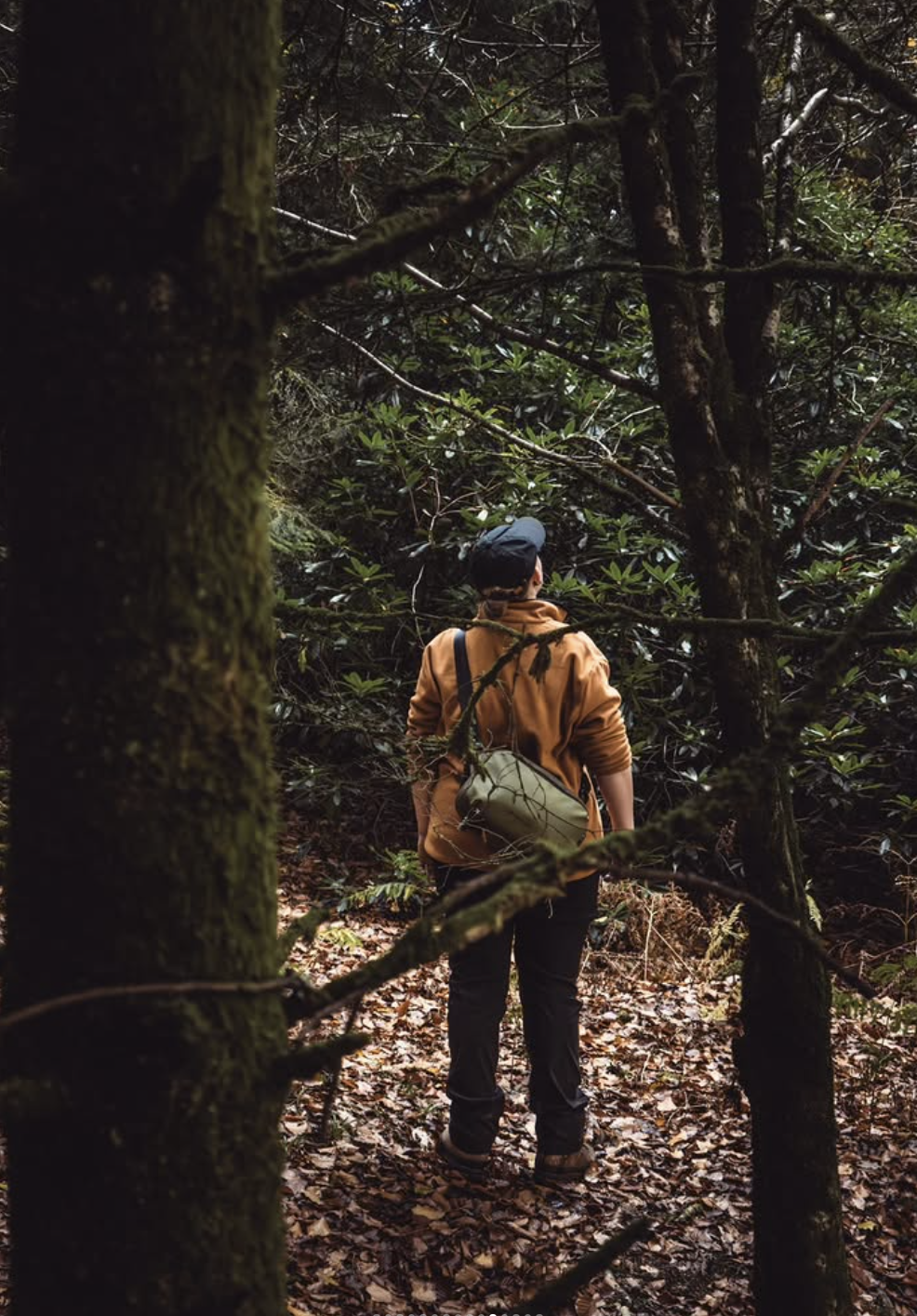
Winter always seems to creep up on me. One minute I am wandering through golden leaves here in Ireland, and the next I am staring out the window at sideways rain wondering if I should simply hibernate until spring. But the truth is this. Winter hiking does not need to be miserable. With a few small tweaks, you can stay warm, comfortable, and still get outdoors even when the weather starts throwing its little tantrums.
And honestly, winter might be one of my favourite times to be on the trails. There are fewer crowds. The air feels fresher. The landscapes look completely different. And that feeling of coming back home afterwards, cheeks pink and hands wrapped around a warm mug, is chef’s kiss. Plus there’s a lot less bugs about!
Before we dive in, a quick and important note. This guide is aimed at beginner and intermediate walkers who want to keep enjoying shorter trails and lower level routes during winter. If you are planning hikes that involve snow, ice, steep ground, or higher elevations, you will need specialised winter equipment and the skills to use it safely. That kind of hiking is a very different skill set and well beyond the scope of this post.
Right. Let’s get into it.
Start With Good Layers
A solid layering system is the difference between a great winter hike and an unplanned meltdown beside a muddy trail. Layers let you adapt easily when the weather changes or when you heat up on the uphill.
A simple system works best.
Base layer: Something that wicks moisture away from your skin. Merino or synthetic works well.
Mid layer: Your insulation layer. Think fleece or a lightweight puffer.
Outer layer: A waterproof or windproof shell that protects you from the elements.
The trick is learning to adjust as you go. Too warm. Unzip. Too cold. Add a layer. After a few winter walks, you will have it down to an art form.
Waterproof Everything You Can
Living in Ireland has taught me one thing. If something can get wet, it will get wet. Even if you live somewhere with drier winters, moisture, snow, fog, and condensation all have sneaky ways of working into your kit.
A few things worth doing:
- Keep your spare layers in a dry bag
- Reproof your jacket and trousers every so often
- Carry an extra pair of dry gloves
- Use a backpack cover or liner
- Make sure your footwear is fully waterproofed
Nothing ruins a hike faster than soggy socks or a wet spare jumper you were relying on later.
Mind Your Warmth and Safety
Colder months come with a few extra considerations. Think of it like switching your body and your gear into Winter Mode.
- Start cool, not sweaty. If you begin your hike already roasting, you will sweat early and that moisture will chill you once you stop.
- Check the forecast properly. Winter weather can change quickly. Take visibility, wind chill, and precipitation seriously.
- Keep snacks handy. Your body burns more energy staying warm. Pack a few extra treats.
- Carry the essentials. Head torch, first aid kit, charged phone, and navigation tools. Daylight fades quickly at this time of year.
A little preparation goes a long way to making winter hiking feel safe and enjoyable.
Embrace the Weather
Winter hiking is rarely neat and tidy. Mud will splash, wind will swoop, and occasionally the sky will throw something dramatic at you just for fun. But that is also part of the charm.
This time of year brings misty forests, crisp air, frosty mornings, and quiet trails that feel almost magical. Leaning into the conditions instead of fighting them makes everything more enjoyable. You do not need perfect weather to have a great day outdoors. You just need to be prepared, take your time, and keep your sense of humour intact.
Choose the Right Trails
Shorter daylight hours mean planning matters more.
Pick routes you know well or trails with clear waymarking. Forest tracks, lakeside loops, valley walks, and lower elevation routes are perfect if conditions turn tricky. Save more technical or exposed hikes for longer, brighter days unless you have the right skills and gear.
There is no shame in choosing a gentler walk if it means you will actually get outside. Winter hiking is about consistency, not heroics.
Warm Up Before and After
A short warm-up helps more than people realise. Cold muscles do not appreciate sudden steep climbs. A few gentle movements before you start can make the first kilometre much smoother.
When you finish, warm up as soon as you can. Swap into a dry layer if needed, get the heater going in the car, or wrap your hands around a hot drink once you are home. Small comforts feel extra special in winter.
Final Thoughts
Winter might look intimidating, but it does not have to push you indoors for months. With good layers, smart planning, and a bit of waterproofing, you can keep hiking all season and enjoy some of the most peaceful trails of the year.
Start small. Stay safe. And remember that even a short winter walk counts.
Happy hiking agus slán go fóill.





Leave a Reply